Last updated November 18, 2026
DIY vs Professional Garage Conversion Contractor: What’s Safe to Do Yourself
A garage conversion done without permits is not a finished ADU. It is an unpermitted structure that a lender’s appraiser will not count as habitable square footage, and that gap surfaces the moment you refinance or sell. In North Las Vegas we’ve watched homeowners frame, wire, and drywall a garage over a summer, then lose the square footage at appraisal because the county record still reads “garage.” This guide separates what you can legally and safely do yourself from the phases Nevada law assigns to licensed trades, and it puts real dollar ranges next to the risk of getting it wrong.
Quick Answer
In Nevada, a homeowner can legally self-perform finish work inside a permitted garage conversion: painting, cabinet installation, flooring, and the landscaping around the new exterior. You cannot legally self-perform the structural, electrical, mechanical, or plumbing rough-in phases, and you cannot legally do the whole project on an owner-builder permit and then sell the home as a permitted conversion. Most of a garage conversion’s cost sits in those licensed phases, so the DIY savings are real but limited to roughly 10-20% of the total job.
Table of Contents
- What Nevada’s Owner-Builder Permit Actually Allows
- The Tasks You Can Legally Do Yourself
- The Tasks That Require a Licensed Trade
- DIY vs Licensed Electrical: The Real Cost Comparison
- What an Unpermitted Conversion Costs You at Resale and Refinance
- How Unpermitted Work Affects Homeowner’s Insurance
- North Las Vegas-Specific Code and Climate Considerations
- The Hybrid Approach: DIY What’s Safe, Hire What’s Not
What Nevada’s Owner-Builder Permit Actually Allows
Nevada’s owner-builder exemption exists, and it is narrower than most homeowners assume. The state allows a homeowner to pull permits and act as their own general contractor on a home they will occupy, but it comes with conditions a lender and a buyer will both inspect.
The core conditions:
- The owner must actually occupy the property. An owner-builder permit is not available for a rental or a property you’re flipping.
- The owner assumes the role of general contractor, which means they carry the liability for scheduling the sub-trades, passing each inspection, and coordinating the final sign-off. If an inspection fails on the electrician’s rough-in, the owner is the one who schedules the re-inspection and pays the fee.
- The owner must hire licensed subcontractors for the licensed phases. The exemption covers the general contracting role, not the trade work. You cannot self-install a service panel on an owner-builder permit in Nevada.
- The work must be completed and inspected before the owner occupies the converted space. A half-finished conversion living in permit limbo is the most common outcome we see.
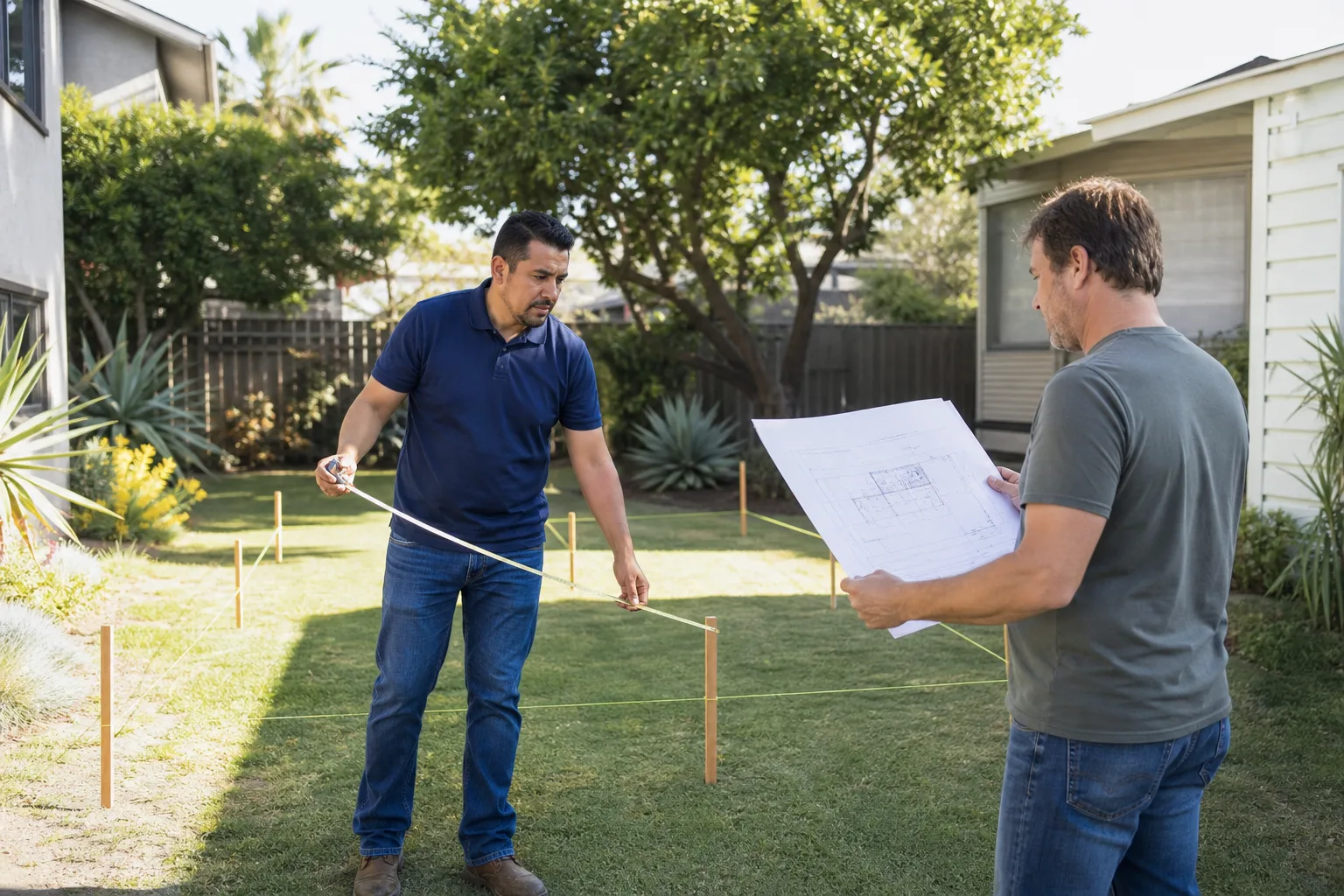
Why most lenders won’t finance a home with an owner-builder addition on record: the appraisal process requires a permit trail. The appraiser checks the county’s records against the visible structure. An owner-builder conversion that is fully permitted and inspected appraises as habitable square footage; one that never closed out its final inspection does not. That distinction drives a lender’s decision on a refinance or a buyer’s decision on a sale. If you’re weighing the full range of conversion options, our garage conversion contractor in North Las Vegas page walks through the permitted path step by step.
The Tasks You Can Legally Do Yourself
Once the conversion is permitted and the rough phases are signed off, a homeowner can take over a meaningful slice of the finish work. These tasks do not require a contractor license in Nevada, and most homeowners with basic skills can do them well.
- Painting. Interior walls, ceilings, trim, and the new exterior stucco or James Hardie siding. This is the largest single DIY savings in a conversion, typically $1,500-$3,500 versus a crew.
- Cabinet installation. If the conversion includes a kitchenette or a wet bar, mounting cabinets and hardware is straightforward and does not touch a permit phase.
- Flooring. Luxury vinyl plank, engineered hardwood, and tile over a properly prepared subfloor are all homeowner-legal. What is not legal is self-leveling a subfloor that needed structural work, which belongs in the structural phase.
- Landscaping around the new exterior. Grading away from the new walls, planting, hardscape, and the concrete walk. Keep the grading sloping away from the structure; surface water against a converted garage wall is the number one cause of the moisture problems we see in North Las Vegas.
- Fixtures and finishes. Light fixtures (swapped on an existing circuit), towel bars, shelving, and trim. Anything that adds a new circuit or a new plumbing line is not in this list.
Everything in this list comes after the licensed phases. The savings are real, but they happen at the end of the project, not the beginning, which is why the DIY decision matters less than most homeowners think when they’re budgeting.
The Tasks That Require a Licensed Trade
Four phases of a garage conversion require a licensed contractor in Nevada, and no owner-builder permit changes that. Getting this wrong is the difference between a finished conversion and a red tag.
- Structural framing modifications. Cutting a beam pocket, adding a header, connecting a new wall to the existing structure, or raising a ceiling all require an engineer’s stamp and a licensed framer. The garage was engineered as a garage; converting it loads the structure differently.
- Electrical panel work. A new subpanel, a service upgrade, or any new circuit runs are licensed electrician work. This is also the highest-risk phase to get wrong. Electrical fires from undersized wiring or a double-tapped breaker are the leading cause of residential fire claims involving DIY work. A licensed electrician’s work comes with an inspection that confirms the installation is safe, not just that it powers on.
- HVAC installation. Adding a mini-split or extending the ductwork requires a licensed mechanical contractor. A garage was never designed for a conditioned load, so the sizing calculation is as important as the installation.
- Any plumbing rough-in. If the conversion includes a bathroom or kitchenette, the drain, vent, and supply lines need a licensed plumber. Nevada requires the rough-in to be inspected before the walls close.
Each of these phases must pass its own inspection before the next phase can begin. Doing one yourself doesn’t just risk failing an inspection. It risks invalidating the entire permit, which means starting the code review over from the framing. If you’re considering the larger backyard option instead, our ADU builders in North Las Vegas page explains how the same licensed-trade rules apply to a standalone structure.
DIY vs Licensed Electrical: The Real Cost Comparison
The electrical phase is where the DIY math most often misleads homeowners. On paper the wire and boxes cost a few hundred dollars. The real comparison looks different once you count the permit, the inspection, and the cost of redoing work that fails.
- Licensed electrician, permitted and inspected: $3,500-$6,500 for a typical garage-to-living conversion including a subpanel, new circuits, outlets, switches, and light fixtures.
- DIY electrical, permitted (owner-builder): $800-$1,500 in materials, plus permit fees of $150-$400. This route is not legal in Nevada for the work itself, so it is a false comparison.
- DIY electrical, unpermitted: $800-$1,500 in materials and no inspection. The savings look like $3,000-$5,000. The cost of correcting it later, including opening finished walls, re-wiring, and the permit, runs $4,000-$7,500. You lose money on the correction and lose the square footage in the meantime.
The value of the inspection is not a formality. An inspector confirms the breaker amperage matches the wire gauge, the grounding is intact, the panel can carry the added load, and the outlets in a potentially wet environment are protected. Those are the exact items an insurance adjuster will ask about after a fire. Our room addition contractor in North Las Vegas page covers how the same inspection sequence applies to a stick-built addition.
What an Unpermitted Conversion Costs You at Resale and Refinance
An unpermitted garage conversion does not disappear. It sits on the property record as a garage with a finished interior that doesn’t match the permit files, and every party in a real estate transaction will eventually see it.
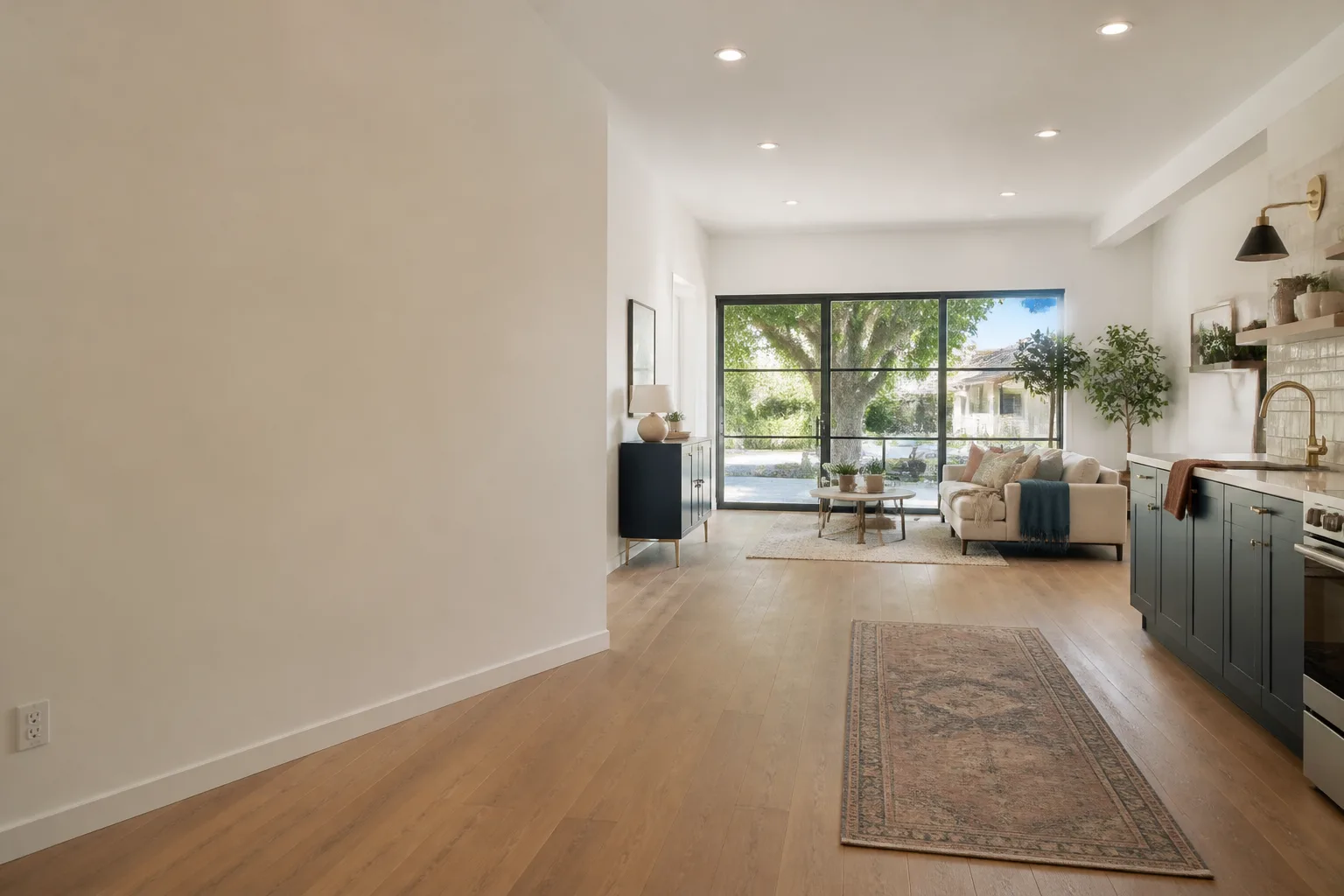
- Appraisal. The appraiser cannot count the converted square footage as habitable. On a 2,000-square-foot home, a 400-square-foot conversion appraising as garage storage instead of living space is a $30,000-$60,000 hit to the appraised value in the North Las Vegas market.
- Refinance. Most lenders will not lend against unpermitted habitable space. The loan comes in low or the application stalls until the conversion is brought to code.
- Sale. A buyer’s lender and inspector will flag the discrepancy. The buyer negotiates against the risk, which usually means the sale price drops by more than the cost of permitting the conversion would have been.
- Title. An open permit or a code violation can cloud title clearance and delay closing.
The math is worth running before you decide. The cost of a permitted conversion is a known number you can put in writing. The cost of an unpermitted one is a discount you negotiate away at the closing table under pressure. Our Fielding ADU Builders North Las Vegas home page lays out the full scope of what a permitted project includes.
How Unpermitted Work Affects Homeowner’s Insurance
The insurance question comes up after a loss, which is the worst time to discover a coverage gap. An insurer’s first step on a claim involving converted space is to request the permit records. If the garage is still listed as a garage, the adjuster treats the interior improvements as uninsured or underinsured.
What insurers ask when a claim involves a space that isn’t on the permitted floor plan:
- Was the conversion permitted and inspected?
- Was the electrical work done by a licensed electrician?
- Was the HVAC system sized and installed by a licensed contractor?
- When was the last inspection, and did it pass?
If the answer is no to any of these, coverage can be denied or reduced. The most expensive version of this shows up after a fire or a water loss in the converted space, when the insurer pays for the structure but not the interior finishes and contents. The premium you saved by skipping the permit is a rounding error against that. If the conversion grows into a full addition, our room addition service is designed around permits and inspections from day one.
North Las Vegas-Specific Code and Climate Considerations
A garage conversion in North Las Vegas is not the same project as one in a cooler, wetter market, and a few local factors change both the cost and the DIY decision.
- Extreme heat. Garages here hit 130+ degrees in July and August. A converted garage without adequate insulation and a properly sized HVAC system will not hold comfortable temperatures, and the load calculation is a licensed mechanical contractor’s job. Spray foam and a mini-split sized to the space are the baseline, not an upgrade.
- Dust and grading. North Las Vegas sits in a wind-prone basin, and the soil around your garage slab moves. The grading around the converted exterior wall needs to shed water and withstand wind-driven dust, which usually means a harder hardscape than a simple gravel strip.
- Setbacks and lot lines. Many North Las Vegas subdivisions have 5-foot side setbacks and lots where the garage is close to the property line. If the conversion adds height or changes the footprint, you may need a setback variance (the city’s written permission to build closer to the property line than the standard rule allows). That is a permit phase, not a DIY one.
- HOA approval. Many North Las Vegas HOAs require written approval for any change visible from the street. Getting that approval before you start saves a redo.
- Sewer and water rough-in. If the conversion includes a bathroom, the plumbing tie-in depends on where the main line runs. That decision alone can push the project from a simple electrical-and-drywall job to a full plumbing permit.
In our experience, the North Las Vegas conversions that go smoothly are the ones that resolved the lot-line and climate questions before framing, not after. If your lot is tight and the conversion is a stretch, the backyard ADU route using a platform like Abodu or Cover may fit the property more cleanly than carving up the garage.
The Hybrid Approach: DIY What’s Safe, Hire What’s Not
Most homeowners who ask us about DIY are not looking to build the whole conversion themselves. They are looking to claw back savings where it’s real. The hybrid approach is the one that works: hire out the licensed phases, do the finish work yourself.
- Get the conversion permitted first. Pull the permit with a licensed contractor as the general contractor, not as an owner-builder, if you plan to sell or refinance in the next decade. That decision alone protects the square footage.
- Let licensed trades handle structural, electrical, HVAC, and plumbing. These phases carry the inspections and the liability.
- Take over the finish work after final inspection. Painting, flooring, cabinets, and fixtures are your savings window, and they are substantial: $4,000-$8,000 on a typical North Las Vegas garage conversion.
- Schedule your finish work against the contractor’s close-out date. Starting paint before the final inspection is complete risks a redo if the inspector flags anything.
This is how Fielding ADU Builders works with homeowners who want to keep their hands on the job. We price the licensed scope in writing, permit it, run it through inspection, and hand you the keys to the finish. The Garrison Standard covers the work we do for 365 days; if a defect shows up inside that year, we come back and correct it at no charge. That applies to the phases we built, not the paint you rolled yourself.
Common Mistakes to Avoid
- Treating an owner-builder permit as a license to do the trade work. It covers the general contracting role, not the electrical or plumbing installation. Hire the licensed trades even on your own permit.
- Skipping the permit because “it’s just a garage.” The conversion is the exact project a lender’s appraiser checks. An unpermitted conversion ends up as a discount at closing.
- Undersizing the HVAC for North Las Vegas heat. A mini-split sized for a mild climate will run constantly in July and never hold temperature. The load calculation is not optional here.
- Ignoring the grading around the new exterior. In North Las Vegas, water pooling against the converted garage wall after a monsoon is the fastest route to a moisture claim.
- Starting finish work before final inspection. An inspector who finds a problem after your paint is up means a redo on your dime, not the contractor’s.
- Assuming the HOA side is handled. North Las Vegas HOAs can require written approval for visible changes, and that approval takes weeks. Start it early.
- Believing the DIY savings are bigger than they are. The licensed phases carry most of the cost. The finish work is where the real savings live, and it’s worth waiting for the permit close-out to claim them.
When to Call a Professional
Call a professional the moment the work touches structure, the electrical panel, HVAC, or plumbing. That includes any wall that carries load, any new circuit or panel change, any conditioned-air system, and any drain or supply line. Call one sooner if you’re planning to sell or refinance within five years, because the permit trail is the deciding factor in whether the square footage counts. Call one if your lot is tight against a side setback, because a variance is a permit process best handled by someone who knows the North Las Vegas planning department’s review calendar. And call one if you simply don’t want to manage four licensed trades and three rounds of inspection on your own time. Fielding ADU Builders North Las Vegas offers free estimates in North Las Vegas – call (844) 797-5166 and we’ll put a written price in front of you before any work starts.
Frequently Asked Questions
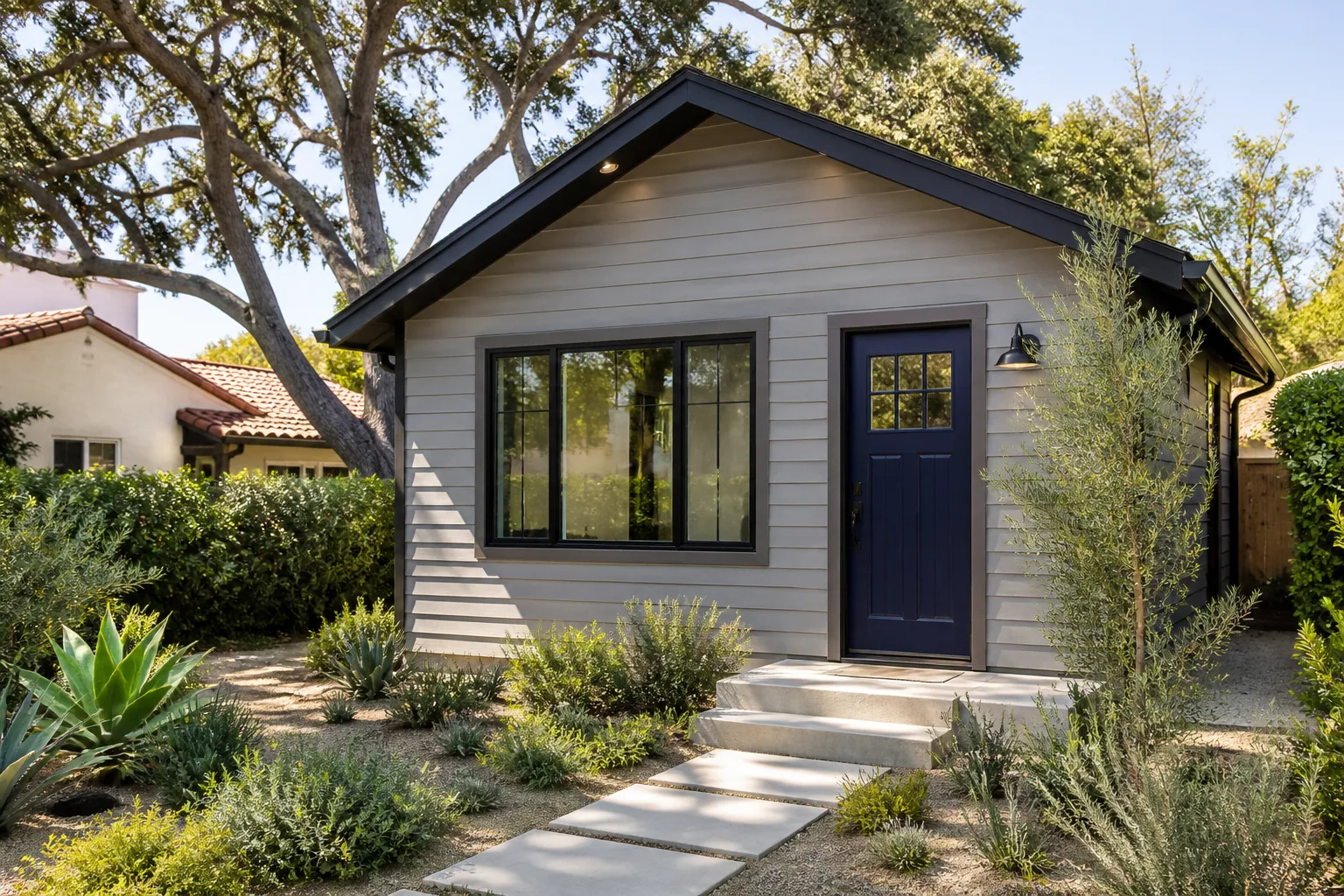
You can legally self-perform the finish work – painting, flooring, cabinets, fixtures, and landscaping – on a conversion permitted and inspected by a licensed contractor. You cannot legally self-install the structural, electrical, HVAC, or plumbing phases in Nevada on an owner-builder permit. Call (844) 797-5166 if you want a written scope that separates the two.
A garage conversion in North Las Vegas typically runs $45,000-$90,000 before permit fees, depending on whether it includes a bathroom or kitchenette and how much HVAC work the space needs. A simple room conversion without plumbing sits at the lower end; a full studio with a bath and kitchenette sits at the upper. Call (844) 797-5166 for an exact quote – estimates are free.
Yes. An unpermitted conversion does not count as habitable square footage on an appraisal, and most lenders will not finance a home with unpermitted living space. In the North Las Vegas market, losing a 400-square-foot conversion can cost $30,000-$60,000 at appraisal or resale. Call us before you start so the permit trail is in place.
Yes, if you occupy the property and serve as your own general contractor, but the licensed trade phases still require licensed subcontractors. Most lenders will not finance a home with an owner-builder conversion on record, which is why we recommend a licensed general contractor on any project you plan to sell or refinance. Call for a written scope.
Insurers ask for permit records on any claim involving converted space, and if the work was unpermitted, coverage can be denied or reduced on the interior finishes and contents. The structure may be covered; the conversion may not be. Call (844) 797-5166 and we’ll walk you through the permitted sequence.
A garage conversion in North Las Vegas typically takes 3-5 months from permit approval to final inspection, with the permit review itself adding 4-8 weeks. The licensed phases take the longest; the finish work you do yourself runs in parallel or after close-out. Call us for a written schedule with your price.
The Bottom Line
A garage conversion in North Las Vegas looks like finish carpentry from the curb, but the money and the risk sit in the licensed phases: structure, electrical, HVAC, and plumbing. You can legally do the painting, flooring, cabinets, fixtures, and landscaping once the permit is closed out, and that is worth $4,000-$8,000 on a typical project. What you cannot do is skip the licensed trades and hope the appraisal misses it. It won’t. The conversion becomes an unpermitted structure, the lender won’t count the square footage, and the insurance adjuster will ask for permit records on the first claim. Get the permit, hire the licensed trades, and do the finish work yourself if you want your hands on the job. The math works better that way, and the square footage counts on the day you sell.
Ready to price a permitted garage conversion? Fielding ADU Builders North Las Vegas offers free estimates in North Las Vegas, backed by the Garrison Standard: a written price before any work starts, permitted work done by the book, and a full year of written guarantee that most contractors never offer. If something fails within 365 days, we come back and make it right at no charge. Our technicians have up to 20 years of experience, and our call line answers with a live person 24 hours a day, 7 days a week. Call (844) 797-5166 to schedule your free estimate.
Written by the team at Fielding ADU Builders North Las Vegas.